
Understanding the Demand for Jumbo Bag FIBC Supply American
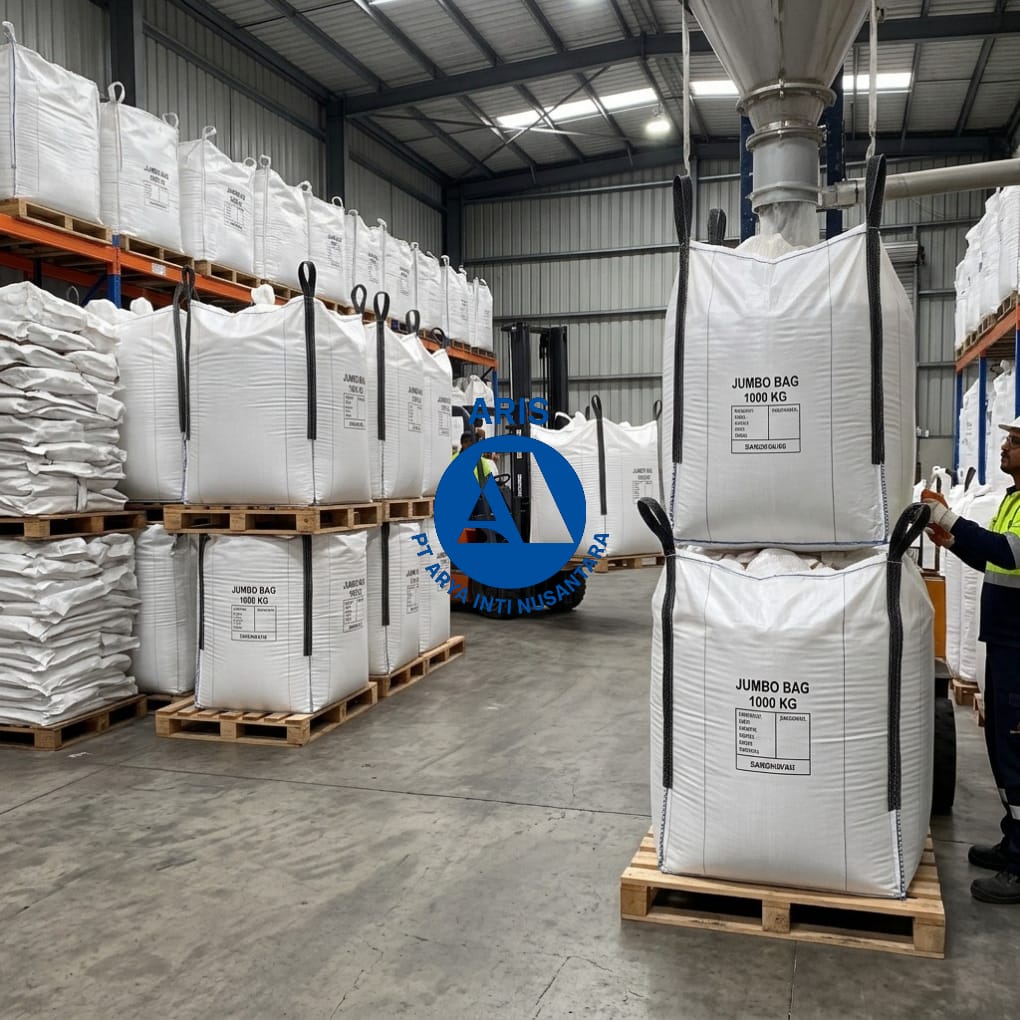
The demand for flexible intermediate bulk containers (FIBC), commonly known as jumbo bags or bulk bags, continues to grow across various industries in the United States. These packaging solutions are widely used for transporting, storing, and handling large quantities of industrial materials, agricultural commodities, construction products, chemicals, and mineral resources. As businesses increasingly focus on efficient logistics and cost-effective packaging, Jumbo Bag FIBC Supply American represents an important topic for manufacturers, distributors, importers, and industrial buyers seeking reliable bulk packaging solutions.
Jumbo bags are designed to handle substantial quantities of materials while maintaining flexibility, strength, and convenience during transportation. Most FIBC products are manufactured using woven polypropylene (PP), a durable material that provides excellent resistance to regular handling conditions. Depending on their construction and specifications, these bags can accommodate capacities ranging from 500 kilograms to 2,000 kilograms or more.
For companies operating in the American industrial market, selecting the right FIBC supplier is essential. Packaging quality can directly influence transportation safety, warehouse efficiency, product protection, and overall operating expenses. Therefore, Jumbo Bag FIBC Supply American is closely associated with the need for dependable packaging products that meet different industrial requirements.
The Importance of Jumbo Bags in American Industries
The United States has a diverse industrial economy supported by manufacturing, agriculture, mining, construction, chemical processing, and international trade. Each sector requires packaging systems capable of handling different materials and transportation conditions.
In the agricultural industry, jumbo bags are commonly used for packaging grains, seeds, animal feed, fertilizers, and other agricultural commodities. Their large capacity helps businesses reduce the number of individual packages required for storage and distribution. This can simplify inventory management and improve loading operations.
The mining industry also represents an important market for FIBC packaging. Mineral powders, sand, industrial minerals, and other mining materials require strong packaging that can withstand heavy loads. Depending on the material characteristics, businesses may require coated fabrics, dust-resistant construction, or specially designed filling and discharge systems.
In the construction sector, jumbo bags are frequently used for sand, gravel, cement-based materials, and other building supplies. Their flexible structure allows construction companies to transport materials to different project locations while maintaining practical handling procedures.
The chemical industry requires additional attention because certain materials may have specific packaging and safety requirements. Businesses handling chemical powders, granules, and industrial compounds must select appropriate FIBC specifications based on the properties of the products being transported.
These applications demonstrate why Jumbo Bag FIBC Supply American has considerable relevance to companies looking for versatile bulk packaging solutions across multiple industrial sectors.
Different Types of FIBC Jumbo Bags
Not every industrial material requires the same packaging construction. FIBC products are available in several designs, each developed to support particular handling, storage, and transportation requirements.
1. U-Panel Jumbo Bags
U-panel jumbo bags are constructed using fabric panels arranged to create a strong and practical bag structure. This design is commonly selected for general industrial applications involving powders, granules, and other bulk materials.
2. Four-Panel Jumbo Bags
Four-panel FIBC bags are manufactured using separate fabric panels joined together to form the body. They are suitable for various industrial materials and can be customized according to required dimensions and loading capacities.
3. Circular or Tubular Jumbo Bags
Circular jumbo bags are produced using tubular woven fabric, reducing the number of vertical body seams. This construction is popular for applications that require practical manufacturing, efficient material usage, and consistent packaging dimensions.
4. Baffle Jumbo Bags
Baffle bags contain internal fabric structures that help maintain a more rectangular shape when filled. Their design can improve space utilization in containers, trucks, and warehouses.
5. Spout Top and Spout Bottom Jumbo Bags
These products feature filling and discharge spouts that support more controlled material handling. They are frequently used in industrial facilities with filling equipment, conveyor systems, and automated packaging operations.
For buyers exploring Jumbo Bag FIBC Supply American, understanding these different designs can help identify packaging products that match their operational requirements.
Material Quality and Packaging Durability
Material quality is one of the most important considerations when selecting FIBC packaging. Most conventional jumbo bags use woven polypropylene because of its strength-to-weight ratio, flexibility, and suitability for industrial packaging.
The fabric’s GSM (grams per square meter) is one factor used to describe its weight. However, fabric GSM alone does not determine the overall strength of a jumbo bag. Buyers should also consider tensile strength, stitching quality, lifting loop construction, fabric coating, and the complete bag design.
The lifting loops are particularly important because they support the bag during lifting and transportation. Depending on the application, FIBC bags may use four lifting loops, cross-corner loops, or other specialized lifting configurations.
Stitching quality also plays an important role in product durability. Proper sewing construction helps maintain the integrity of the bag under normal operating conditions. For demanding applications, buyers should request appropriate testing documentation and verify that the bag meets the required safe working load (SWL) and safety factor (SF).
Companies interested in Jumbo Bag FIBC Supply American should prioritize suppliers capable of providing consistent product specifications, quality control, and reliable manufacturing standards.
Customization for Different Industrial Requirements
One advantage of FIBC packaging is its flexibility in customization. Industrial buyers often require specific dimensions, capacities, filling systems, discharge designs, and printing arrangements.
Common jumbo bag capacities include 500 kg, 1,000 kg, 1,500 kg, and 2,000 kg. Dimensions can also be adjusted depending on the density, volume, and handling characteristics of the packaged material.
For example, companies transporting mineral powders may require compact bags with discharge spouts, while agricultural businesses may prefer open-top bags with flat bottoms. Construction companies may need larger dimensions to accommodate sand, gravel, or other building materials.
Printing is another important customization option. Company names, product descriptions, handling instructions, identification numbers, and logos can be printed directly onto the bag fabric.
Additional features may include:
- UV protection for outdoor storage applications.
- Inner polyethylene liners for additional moisture protection.
- Dustproof construction for fine powders.
- Food-grade materials for suitable food packaging applications.
- Anti-static or conductive FIBC designs for applications involving electrostatic risks.
- Different top and bottom configurations.
- Customized lifting loops and reinforced stitching.
Through these options, Jumbo Bag FIBC Supply American can address the diverse packaging requirements of manufacturers, wholesalers, exporters, and industrial distributors.
The Role of International Suppliers in the American Market
International sourcing plays an important role in the global FIBC industry. American companies may evaluate domestic manufacturers as well as overseas suppliers to identify competitive prices, suitable production capacities, and reliable delivery arrangements.
Suppliers from manufacturing countries can offer different advantages, including production flexibility, customized specifications, and the ability to handle large-volume orders.
However, international buyers should evaluate several factors before establishing a purchasing relationship. These include production capacity, sample availability, product consistency, export documentation, shipping arrangements, and communication reliability.
Importers should also understand applicable United States import requirements and any product-specific regulations. Depending on the intended application, additional documentation or testing may be necessary.
A reliable supplier should provide clear information regarding product specifications, packaging quantities, manufacturing lead times, and international shipping arrangements.
For overseas manufacturers targeting American customers, Jumbo Bag FIBC Supply American represents an opportunity to develop long-term business relationships with industrial companies requiring consistent bulk packaging supplies.
Quality Control and International Packaging Standards
Quality assurance is essential for maintaining customer confidence in the FIBC industry. Jumbo bags must be designed according to their intended applications, loading capacities, and handling conditions.
One important specification is the safe working load. This indicates the maximum load that a bag is designed to carry under specified conditions. The safety factor describes the relationship between the bag’s tested strength and its designated working load.
FIBC products may also require different testing procedures depending on their intended applications. These can include lifting tests, top-lift tests, compression tests, drop tests, and other relevant performance evaluations.
For certain applications, particularly those involving hazardous materials, buyers may require UN-certified packaging that meets applicable regulatory requirements. Food-contact applications may also require appropriate material declarations and supporting documentation.
Businesses sourcing Jumbo Bag FIBC Supply American should communicate their technical requirements clearly and request relevant quality documents before placing large orders.
Cost Efficiency and Logistics Advantages
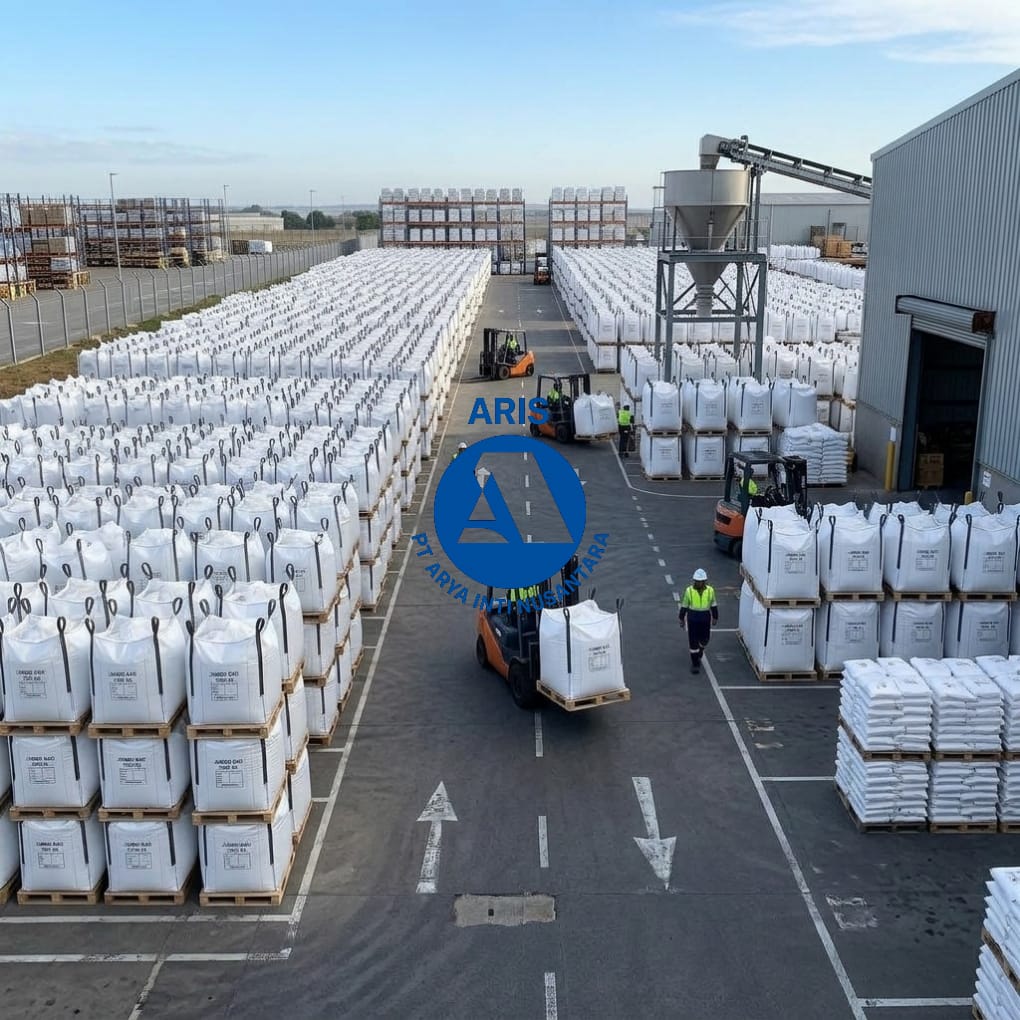
One of the primary reasons companies choose jumbo bags is their ability to simplify bulk material handling. Compared with many smaller packaging formats, FIBC bags can reduce the number of individual packages required for transporting large quantities of materials.
This can improve warehouse organization, loading efficiency, and inventory management. When properly designed, jumbo bags can also help maximize available transportation space.
Baffle jumbo bags are particularly useful when companies want to improve container utilization because their shape remains more stable after filling.
Another important consideration is packaging weight. Lightweight polypropylene construction allows businesses to transport substantial quantities of products without adding excessive packaging weight.
Nevertheless, the lowest purchase price does not always represent the best overall value. Buyers should consider durability, product consistency, transportation expenses, and the potential costs associated with packaging failures.
A dependable Jumbo Bag FIBC Supply American partner should therefore offer a balance between competitive pricing, reliable quality, and consistent delivery performance.
Building Long-Term Relationships with FIBC Suppliers
For industrial businesses, selecting a packaging supplier should be considered a long-term purchasing decision rather than a one-time transaction.
A dependable supplier should understand customer requirements, provide accurate technical information, and maintain consistent communication throughout the ordering process.
Before confirming an order, buyers should discuss the following points:
- Required bag dimensions and loading capacity.
- Fabric GSM and material specifications.
- Type of bag construction.
- Filling and discharge configurations.
- Printing and customization requirements.
- Sample approval and quality inspection.
- Production lead time and shipping arrangements.
- Pricing structure and minimum order quantities.
These considerations help reduce misunderstandings and establish a more professional purchasing relationship.
For manufacturers and distributors, establishing a reliable supply chain can support business expansion and improve customer satisfaction. Consistent packaging quality is particularly important for companies handling repeat orders or supplying multiple industrial facilities.
Future Opportunities in the American FIBC Packaging Market
The future of the FIBC industry is closely connected to industrial development, international trade, and the growing demand for efficient packaging solutions.
Manufacturing companies continue to seek packaging that supports higher productivity and better material handling. Agricultural businesses require practical systems for distributing commodities, while mining and construction companies need durable packaging for heavy materials.
Environmental considerations are also becoming increasingly important. Polypropylene FIBC bags can be designed for reuse when their specifications and condition permit, while suitable polypropylene materials can also enter recycling processes.
Businesses are increasingly interested in reducing packaging waste, improving material efficiency, and selecting packaging products that support more sustainable operations.
Suppliers that combine product quality, customization capabilities, competitive pricing, and responsible material management may have opportunities to establish stronger positions in international markets.
In this environment, Jumbo Bag FIBC Supply American reflects an important business opportunity for manufacturers, exporters, importers, and distributors seeking to connect reliable bulk packaging production with the requirements of American industries.
FIBC (Flexible Intermediate Bulk Container) bags—commonly referred to as Jumbo Bags or Big Bags—are industrial bulk packaging containers designed for storing and transporting dry, flowable products such as granules, powders, agricultural goods, and construction materials.
Key Aspects of FIBC Supply in Europe
- Safety & Quality Standards
- European suppliers strictly adhere to international standards such as ISO 21898 (design, safety factors, and testing).
- For hazardous materials, bags comply with UN / ADR regulations (e.g., UN 13H standards) to ensure safety during transport.
- Food and pharmaceutical products require Food-Grade FIBCs manufactured in facilities certified under ISO 22000 or EU food contact regulations.
- Common FIBC Types
- U-Panel & 4-Loop Bags: Standard designs offering high stability for forklift handling and general dry bulk materials.
- Q-Bags / Baffle Bags: Feature internal baffles to maintain a square shape when filled, saving up to 30% storage space during transit.
- Conductive (Type C) Bags: Woven with conductive threads to safely discharge static electricity in volatile/ATEX environments.
- Single / Two-Loop Bags: Ideal for fast bulk handling, especially in agrochemical and fertilizer industries.
- Sustainability Focus
- Suppliers in the European Union are increasingly offering eco-friendly options, such as bags made with recycled polypropylene (rPP under the Global Recycled Standard – GRS) or 100% recycled PET (rPET FIBCs) to meet EU sustainability compliance.
Trusted European Suppliers & Sources
Below are reliable manufacturers and suppliers operating across Europe with detailed product technical sheets:
- Team Big Bag B.V. – Netherlands-based supplier providing ISO-certified standard, food-grade, conductive, and UN-approved Big Bags with full lot-level traceability.
- Berlin Packaging EMEA – European industrial packaging provider offering custom FIBC solutions, including rPET circular economy bulk bags.
- Big Pak – Polish manufacturer delivering GRS v4.0 certified recycled PP Big Bags and customized bulk bags across EU markets.
- TiszaTextil – Fully integrated European producer specializing in high-grade packaging for agriculture, chemicals, and pharmaceuticals.
Conclusion
Jumbo bags have become an essential packaging solution for numerous industries because of their capacity, flexibility, and practical handling advantages. From agriculture and mining to construction, chemicals, and manufacturing, FIBC products provide businesses with an efficient way to package and transport bulk materials.
Choosing the right supplier requires careful consideration of material quality, bag construction, technical specifications, customization options, and international delivery capabilities.
For international manufacturers looking to expand their customer networks, Jumbo Bag FIBC Supply American offers an opportunity to serve a broad industrial market with customized and dependable packaging solutions. By maintaining consistent quality, competitive pricing, and professional customer service, suppliers can build long-term partnerships and contribute to the continued development of the global FIBC packaging industry.